
Breast Biopsy
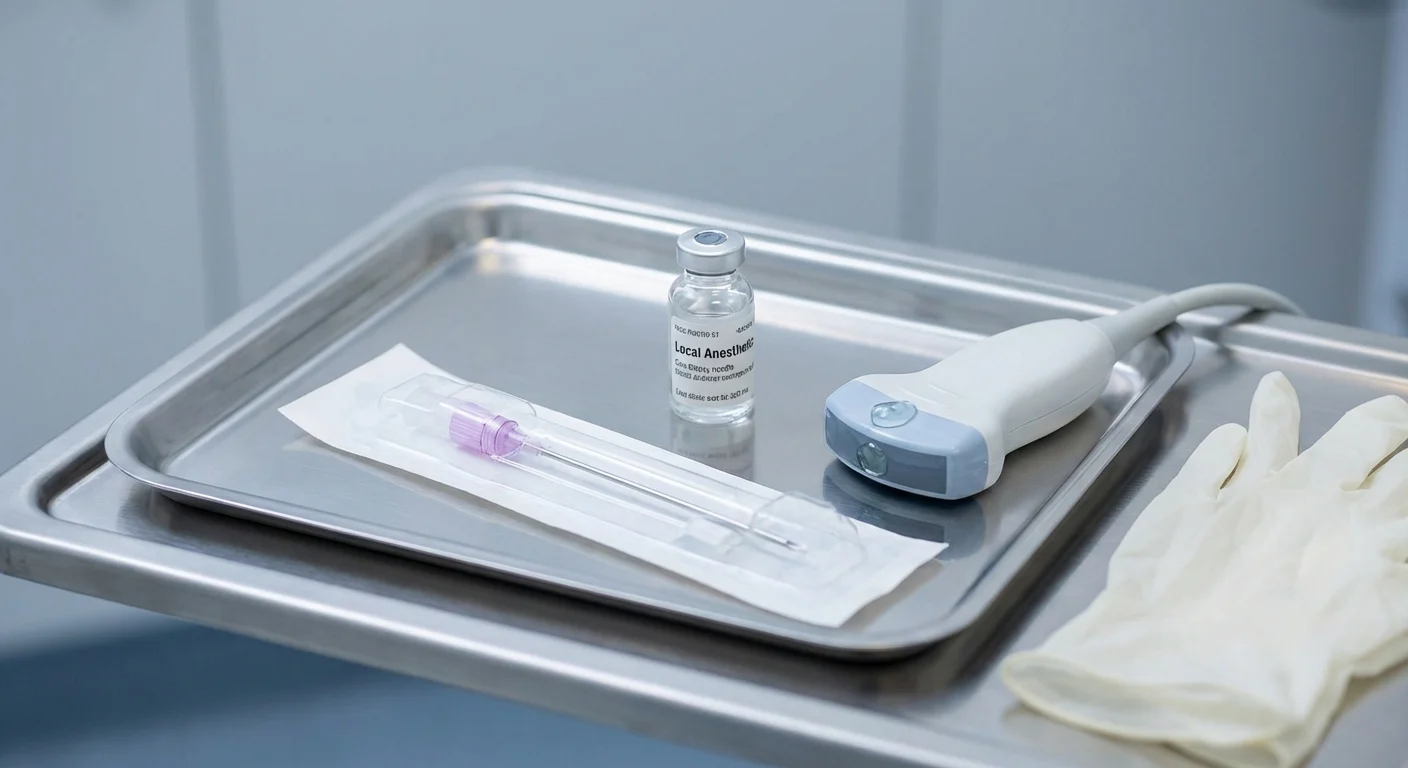
What is a breast biopsy?
A breast biopsy is a diagnostic procedure in which a tissue sample is obtained from a suspicious lesion for the purpose of histological examination.
It is the only method that can definitively confirm whether a lesion is benign or malignant.
A recommendation for biopsy does not mean a cancer diagnosis. It means that histological confirmation is required.
When is a biopsy needed?
A biopsy is indicated when:
- there is a suspicious imaging finding (BI-RADS 4 or 5),
- there is discordance between clinical examination and imaging,
- an increase in size of a known lesion is observed,
- there is a persistent palpable nodule without clearly benign characteristics.
The decision is based on a combination of clinical and imaging data.
Types of Breast Biopsy
Core Needle Biopsy (CNB)
This is the most commonly used method. It is performed under local anesthesia, with ultrasound or mammographic guidance. Multiple cylindrical tissue samples are obtained. Advantages: high diagnostic accuracy, minimally invasive, does not require general anesthesia.
Vacuum-Assisted Biopsy (VAB)
This is used when the lesion is small, involves microcalcifications, or a larger tissue sample is required. It provides a larger specimen and in some cases can completely remove small benign lesions.
Fine Needle Aspiration (FNA)
This is primarily used for cysts and lymph nodes. It is not the method of choice for diagnosing breast cancer due to limited histological information.
Is the biopsy painful?
The procedure is performed under local anesthesia. The patient typically feels mild pressure and slight discomfort during the administration of the anesthetic. The total duration is approximately 15-30 minutes.
After the biopsy, mild pain, a small hematoma, or localized tenderness may occur. Serious complications are rare.
How reliable is it?
Core needle biopsy has high diagnostic accuracy when there is a correct indication, adequate tissue sampling, and concordance with imaging findings.
Diagnostic evaluation is based on triple assessment: clinical presentation, imaging, and histological result. In cases of discordance, re-evaluation may be required.
What information does the biopsy provide?
In cases of malignancy, histological examination determines: the histological type, the grade of differentiation, hormone receptor expression (ER/PR), HER2 expression, and the proliferation index (Ki-67).
This information is essential for treatment planning.
After the biopsy
The patient can return to daily activities immediately, avoiding strenuous exercise for 24 hours.
The result is usually available within a few days. Communication of the findings takes place during a scheduled medical appointment, with a thorough review of the results and discussion of the next steps.
Important message
A biopsy is a diagnostic tool — not a therapeutic procedure.
In the majority of cases, the result is benign. Even when malignancy is confirmed, the biopsy represents the first step toward targeted and effective treatment.
Knowledge of the histological type enables precise, personalized treatment planning.